
Temperature is one of the factors that most changes how a wine tastes, but it’s also one of the least well controlled.
It’s not just a matter of degrees. It’s what determines whether the wine feels balanced or unbalanced. The same wine can seem more acidic, more alcoholic, or flatter, simply depending on how it’s served.
That’s why, before judging a bottle, it’s worth paying attention to something basic: its temperature.
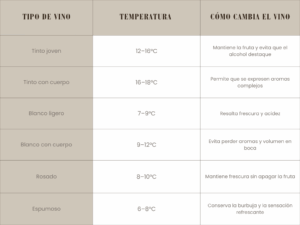
Alcohol is the best indicator. If it stands out, the wine is too warm.
Cold hardens the sensation on the palate, while heat makes it feel heavier. The right point is where neither dominates.
One of the most common mistakes is serving reds too warm and whites too cold. Just adjusting this already improves the experience a lot.
And a simple rule: it’s better to be slightly too cool than too warm.
Not all wines within the same category behave the same. Alcohol level and structure change the ideal point.
The glass also matters. In larger glasses the wine warms up faster, and if you hold it by the bowl, even more so.
The fridge doesn’t cool evenly, so the wine can seem ready before it actually is. That’s why it often improves slightly after a few minutes in the glass.
The environment also matters. In summer the wine loses its ideal point sooner; in winter it’s easier to keep it stable.
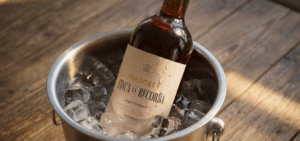
You won’t always have the wine at the right temperature, so knowing how to correct it is more useful than memorizing numbers.
Keeping wine at the right temperature is harder than reaching it; that’s why a good cooler helps prevent it from warming up too quickly during a meal. We explain everything you need to know about wine coolers here.
Temperature isn’t about precision, it’s about control. When it’s well adjusted, the wine is easier to understand. And the difference comes down to something very simple: just a few degrees.
¿Te ha gustado este artículo?