
Talking about wine is, inevitably, talking about grapes. According to the OIV, although more than 10,000 varieties are registered, global consumption is concentrated in a relatively small number. These grapes do not dominate only by tradition, but because they have demonstrated an extraordinary capacity to adapt to climate, express the soil, and age with elegance.
In this article we explore the most widely used grape varieties in the world, but we also look beyond: what they are like, why they remain relevant, and what role less common varieties play today in classic regions.
Red grapes
Cabernet Sauvignon: structure and longevity
Present in almost all producing countries, it is a grape associated with full-bodied wines, tannin, and great aging capacity. Its wide global distribution explains its enormous presence in the market. With age, its aromas of black fruit and spices evolve toward more complex notes.
-
Ideal for those who enjoy wines that improve with time.
Merlot: balance and accessibility
Merlot produces round, smooth, and easy-to-appreciate wines, which makes it one of the most accessible varieties both for enthusiasts and for those new to wine.
-
A grape that shows that elegance is not always found in power.
Tempranillo: identity and versatility
A key variety in Spain, it stands out for its balance between fruit, acidity, and alcohol. It adapts well to different climates and styles, especially in oak-aged wines.
-
A grape that interacts especially well with wood and the passage of time.
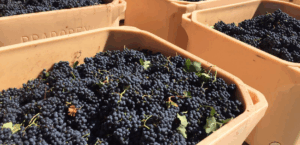
Syrah: aromatic intensity
It produces deep, spicy wines, with notes of black fruit and pepper. Depending on the climate, it can offer profiles ranging from powerful to fresher and more elegant versions.
-
Ideal for those looking for expressive wines with a marked personality.
Garnacha Tinta: fruit and warmth
A widely planted Mediterranean variety that usually produces wines with ripe fruit, broad texture, and a certain alcoholic warmth. Climate greatly influences its style, from more powerful to more refined.
-
A grape that shows how climate can profoundly transform the style of wine.
Pinot Noir: the most delicate grape
Demanding in the vineyard, it produces lightly colored wines with great aromatic complexity and a silky texture, which over time develop earthy and spicy nuances.
-
Less strength, more emotion.
White grapes
Airén: tradition and resilience
For decades it has been one of the most widely planted varieties, especially in Spain, thanks to its resistance and productivity. Traditionally linked to simple wines and distillation, today some producers are seeking higher-quality styles.
-
An example of how a traditional grape can be rediscovered.
Chardonnay: the chameleon grape
One of the most versatile varieties, capable of offering very different styles depending on climate, soil, and winemaking, from fresh wines to richer and creamier ones.
-
Ideal for understanding how origin and the winemaker’s hand influence wine.
Sauvignon Blanc: freshness and precision
A highly aromatic variety that produces high-acidity wines, with profiles ranging from citrus and tropical fruits to characteristic herbaceous notes.
-
Perfect for those seeking tense, refreshing, and highly food-friendly wines.
Ugni Blanc / Trebbiano: acidity and freshness
Very widespread in Europe, it is a grape with a fresh and neutral profile, appreciated for its high acidity and its usefulness both in light wines and in distillates.
-
A discreet but fundamental grape at the base of many wine styles.
Pinot Grigio / Gris: versatility of styles
A single grape capable of offering light and fresh wines or more structured and aromatic styles, depending on the region and the winemaking approach.
-
A good example of how style depends as much on place as on the grape.
Riesling: longevity and complexity
A variety noted for its acidity and aging capacity, capable of producing wines at different levels of sweetness that evolve very well in bottle.
-
A grape for curious palates and lovers of bottle evolution.
Viognier: aromatic expression and character
An intensely aromatic grape, with notes of ripe fruit and flowers, which offers wines with a silky texture and marked character when handled with precision.
-
For those who enjoy white wines with volume, personality, and a distinctive profile.
Why do these grapes continue to dominate?
The most widely used grape varieties in the world are not so by chance. Over the centuries they have demonstrated a combination of qualities that make them especially valuable for both winegrowers and consumers:
- Capacity to adapt to different climates and soils, which allows them to be cultivated in multiple regions.
- International recognition, which facilitates their understanding and acceptance in global markets.
- Ability to express terroir, clearly reflecting the origin of the wine.
- Aging potential, especially in varieties with good structure and acidity.
- Affinity with gastronomy, which makes them natural companions at the table.
These characteristics explain why grapes such as Tempranillo, Cabernet Sauvignon, or Chardonnay continue to be pillars of contemporary wine. They are reliable, versatile varieties capable of evolving over time.
However, the world of wine has never been static.
Tradition, exploration, and new expressions of the vineyard
In recent decades, factors such as climate change, the evolution of consumer tastes, and greater oenological training have encouraged many wineries to look beyond the historical varieties of each region.
Today, exploring minority or less common grapes is no longer an eccentricity, but a way of expanding the language of wine without losing identity. Some wineries in classic regions have begun to study how these varieties behave in their soils, seeking new expressions that engage in dialogue with the landscape and the history of the place.
In this context of exploration and innovation, at Pradorey we have spent years committed to research in the vineyard and winery as a way of shaping wines made from less traditional varieties of Ribera del Duero. An example of this philosophy is La Trucha Arcoíris, a Viognier monovarietal that shows how an aromatic and delicate grape can find its place in a territory traditionally linked to reds.
It is not about replacing the classic, but about complementing it with new perspectives.
In conclusion, the most widely used grapes in the world have built the history of wine as we know it today. Their success is based on adaptation, quality, and the capacity to move generation after generation.
At the same time, the future of wine depends on curiosity, deep knowledge of the vineyard, and the willingness to explore new possibilities. When tradition and innovation coexist with respect, the result is not rupture, but evolution.
And that is where wine continues to find its reason for being: in telling honest stories through the grape and the place from which it is born.