
Aranda de Duero is one of those places best explored at a relaxed pace. In just one day, you can wander through charming streets, discover medieval underground wine cellars, enjoy traditional Castilian cuisine, and end the day watching the sunset over the vineyards in a place steeped in history.
If you’re planning a getaway to the Ribera del Duero, here’s the perfect itinerary to discover some of the most special places in Aranda and its surroundings.
The best way to start the day is with a leisurely walk through the town center. The old quarter has preserved its unmistakable Castilian charm, with cobbled streets, lively squares, and small bars where there’s always a welcoming atmosphere.
One of the best places to begin your route is Plaza Mayor. From early in the morning, the terraces begin to fill up, creating the relaxed atmosphere of a town where life is still enjoyed outdoors.
Just a short walk away, you’ll find some of Aranda’s best-known streets, lined with traditional restaurants, local shops, and historic buildings that invite you to explore without rushing.
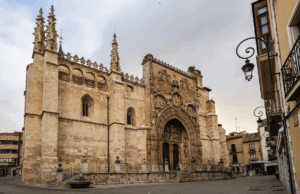
One of the town’s most iconic landmarks is the Church of Santa María la Real. Its spectacular Gothic façade is probably the most recognizable image of Aranda de Duero and is well worth taking a few minutes to admire in detail.
The surrounding area is also perfect for continuing your stroll and discovering some of the most charming corners of the historic center.
If there’s one thing that makes Aranda de Duero unique, it’s the vast network of medieval underground wine cellars hidden beneath the historic center.
These galleries, carved centuries ago, were used to produce and store wine, and many of them remain remarkably well preserved. Walking through them offers a fascinating insight into how deeply wine is woven into the town’s history and identity.
The stone walls, constant temperature, and underground atmosphere create an experience completely different from visiting a modern winery. If you want to enjoy this experience at its best, one of the ideal times to visit is during Aranda’s September festivities, when many of these underground cellars are opened to the public.
Just a few minutes from Aranda, in Santa Cruz de la Salceda, you’ll find one of the area’s most unique attractions: the Museum of Aromas.
This interactive museum focuses entirely on the sense of smell, allowing visitors to test their olfactory memory while exploring the connection between aromas, memories, and gastronomy. It fits perfectly within the rich wine culture of Ribera del Duero and is especially popular with children.
Its commitment to accessibility has also received national recognition, winning the Inclusive Wine Tourism Award at the 7th “Rutas del Vino de España” Wine Tourism Awards.
Aranda de Duero is one of the best places in Castile and León to enjoy traditional roast suckling lamb, prepared simply but with exceptional flavor. It’s typically served with salad, local wine, and a selection of classic Castilian starters. One of the highlights is Aranda-style blood sausage (morcilla de Aranda), a regional specialty that differs from the more widely known Burgos blood sausage.
The town center is home to numerous traditional asadores (roast houses), many of which still use wood-fired ovens that are essential to this iconic dish. The aromas, the warm atmosphere of traditional dining rooms, and the leisurely pace of the meal make this stop an essential part of the experience.
After lunch, the afternoon is the perfect time to continue your journey through some of the most beautiful villages nearby.
One of the highlights is Peñaranda de Duero, considered one of the most beautiful villages in Castile and León. Its medieval castle overlooks the surrounding landscape, while the historic center features arcaded squares, stately homes, and remarkable buildings such as the Palace of the Avellaneda family. If you visit in summer, try to coincide with the Night of Candles in July, when thousands of candles illuminate the streets, creating a truly magical atmosphere.
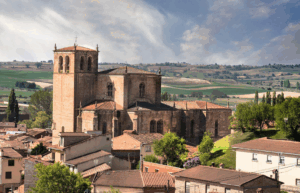
Caleruega is also well worth a visit. Known as the birthplace of Saint Dominic of Guzmán, it offers a peaceful atmosphere and rich history, making it an ideal place for a leisurely stroll. During July, the village also hosts Lavanda Fest, an event that combines music, gastronomy, and cultural activities among lavender fields in full bloom, becoming one of the region’s most special summer events.
Another highly recommended stop is the Monastery of Santa María de La Vid, one of the province’s most important monastic complexes. Located beside the Duero River, it stands out for the tranquility of its surroundings.
And for those looking to experience a more authentic and less touristy side of Ribera del Duero, villages such as Gumiel de Mercado and Gumiel de Izán offer charming squares, traditional wine cellars, and the region’s slower pace of life.
Few experiences represent Ribera del Duero better than watching the sunset over the vineyards. As the evening light transforms the landscape, the end of the day becomes one of those moments that invites you to simply slow down and enjoy the surroundings.
That’s why it’s worth extending the evening by having dinner outdoors or enjoying a glass of wine surrounded by gardens and vineyards.
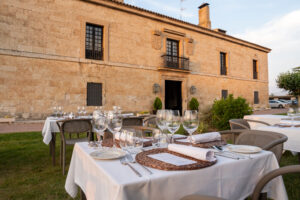
At places such as the Posada de Pradorey, this experience is enriched by history. Its gardens and terraces allow you to enjoy the peaceful surroundings within a 17th-century building that once welcomed figures such as King Philip III of Spain, the Duke of Lerma, Lope de Vega, and Rubens. After a day like this, there’s no better place to spend the night.
Because, in the end, the best part of a trip like this isn’t trying to see everything in just a few hours—it’s allowing yourself to embrace the slower rhythm of this remarkable region.
¿Te ha gustado este artículo?