
There is something fascinating that happens when you’re served a glass of wine without seeing the bottle: suddenly, all the clues disappear. There’s no label. No price. No name. Only the wine remains. And that’s exactly why blind wine tastings are such an interesting experience—they encourage us to set aside our expectations and focus on what truly matters: what we’re actually experiencing in the glass.
A blind wine tasting is an experience in which participants taste one or more wines without knowing their identity. The bottles are hidden or poured in advance so that the label, brand, price, or origin cannot influence the evaluation.
The goal isn’t to test anyone’s knowledge or turn the experience into an exam. Quite the opposite. It’s about discovering wine from a more open and honest perspective, allowing your senses to speak before your assumptions do.
Our brains make decisions long before the wine even reaches our lips.
If we see an elegant bottle, a beautifully designed label, or a prestigious appellation, we automatically create expectations. We expect quality. We expect to enjoy the wine more. And those expectations already begin shaping our experience. The same thing happens when we know the price or hear about awards, ratings, or accolades—all of that information creates preconceived ideas that influence our perception.
That’s why a blind tasting is so revealing. It removes many of those external influences and allows us to experience the wine without prejudice.
When visual information is removed, the brain is forced to pay closer attention to the senses. The aroma of ripe fruit, a hint of toasted oak, the acidity that awakens the palate—without a label, these sensations become everything.
The wine’s nuances become more apparent. We begin to notice details that would normally go unnoticed because we’re no longer trying to confirm preconceived expectations. In many ways, the experience becomes more authentic.
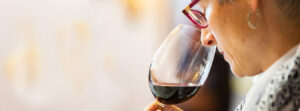
And this is where the surprises often begin. Wines that might otherwise have gone unnoticed become favorites. Others that seemed like obvious winners fail to make the expected impression. Even experienced wine professionals can struggle to identify a grape variety, wine region, or specific winery without any visual clues. Recognizing a wine blind is far more difficult than it seems—and that’s precisely what makes it so fascinating.
There’s another important point worth mentioning: two people can perceive completely different things from the same glass of wine. One may identify ripe fruit, while another finds spices, flowers, or even memories of a particular moment. That’s because we often recognize aromas not by their technical names, but because they remind us of familiar scents. Wine also speaks through memory.
All of this shows that tasting wine isn’t simply about analyzing a beverage. It’s also about emotions, memories, and deeply personal perceptions.
Perhaps the greatest lesson of a blind tasting is that there is no single correct answer. You may discover that your favorite wine isn’t the one you expected. You may fall in love with styles you had never considered before or simply confirm preferences you already suspected you had.
Most importantly, you’ll learn to trust your own judgment. Because enjoying wine isn’t about correctly identifying a grape variety, recognizing a region, or guessing the label. It’s about finding the wines that genuinely move you. And sometimes, the best way to discover them is to stop looking at the bottle.
Blind wine tastings remind us of something essential: before it becomes a brand, a label, or a score, wine is an experience. When we remove external references, many of our preconceived ideas disappear, leaving room for what truly matters—the aromas, flavors, sensations, and emotions found in every glass.
That’s why everyone should experience a blind wine tasting at least once. Sometimes, the best way to discover a wine is to forget everything you think you know about it.
¿Te ha gustado este artículo?