
In this article we will explore the phases of the vine’s vegetative cycle, what happens at each stage and why each moment of the year is decisive for the quality of the harvest.
The development of the vine is divided into two main periods:
During this cycle, several fundamental phases follow one another: winter dormancy, budbreak, flowering, fruit set, véraison, ripening and harvest.
Each one has specific characteristics and needs in terms of climate, soil and agricultural management.
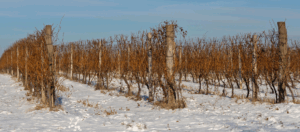
– Winter: vegetative rest and pruning
During winter, the vine enters a phase of vegetative rest. The leaves have already fallen and the plant reduces its metabolic activity to a minimum.
What happens in this phase…
Winter is the key time to carry out pruning, one of the most important tasks in the vineyard. Through pruning, the following are controlled:
Well-executed pruning directly influences the quality of the future harvest.
– Spring: budbreak and growth
With rising temperatures, generally between March and April, one of the most visible stages of vine development begins: budbreak.
Budbreak
Green shoots emerge from the buds formed in the previous year. From that moment:
This phase is delicate because spring frosts can damage young shoots, significantly reducing production.
Flowering
At the end of spring, usually between May and June, flowering takes place.
Vine flowers are small and barely visible, but their importance is enormous. During this phase, pollination occurs, which will lead to the formation of future grapes.
– Summer: grape development and ripening
Summer is the phase in which the vineyard reaches its maximum growth.
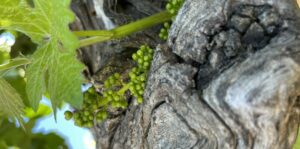
Fruit set
After flowering, the fertilized flowers transform into small green berries. This process is known as fruit set.
During this stage, the number of grapes each cluster will have is largely determined.
Véraison: the color change
In mid to late summer, véraison appears, one of the most characteristic moments of the vine cycle.
During véraison:
In addition, the grapes begin to accumulate sugars and reduce acidity, which will be essential for the wine.
Ripening
In the last weeks of summer and early autumn, the grapes reach their optimal ripeness.
In this phase, three fundamental factors are balanced:
At this time, constant monitoring is carried out to determine the ideal moment for harvest.
– Autumn: harvest and the end of the cycle
Autumn marks the end of the vine’s annual cycle.
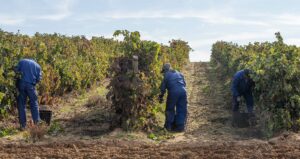
Harvest
Harvest usually takes place between September and October in the northern hemisphere, although it may vary depending on the region and climate.
The harvest time depends on:
A well-planned harvest is crucial to ensure the final quality of the wine.
Leaf fall
After the harvest, the vine begins to prepare for winter:
The vine cycle may vary depending on several factors:
The development of the vine throughout the year is a complex and fascinating process that combines biology, climate and human work. From winter dormancy to harvest, each stage of the vegetative cycle influences the final quality of the grapes and the wine.
Understanding this cycle not only allows a greater appreciation of vineyard work, but also a deeper understanding of everything behind each glass of wine.
If you are passionate about the world of wine or viticulture, observing how the vine evolves throughout the year is one of the best ways to understand the origin of great wines.
¿Te ha gustado este artículo?