
Pairing isn’t about serving just any meat with any red wine. It’s about understanding what each wine needs: freshness, texture, richness, intensity, and balance. Some dishes allow a wine to open up, reveal more complexity, and linger longer on the palate. Others do exactly the opposite—without you even noticing.
Today we’re looking at three dishes that enhance different styles of red wine… and the most common mistakes that ruin the pairing before it even begins.
El Mirón has something not every red wine has: plenty of freshness without sacrificing depth.
That’s why it pairs especially well with rich, comforting dishes that remain balanced—full of flavor without being overly fatty.
The silky texture of the oxtail complements the wine’s rounder side, while the mushrooms enhance its spicy notes and the Parmesan adds just the right touch of salinity to make the fruit shine even more.
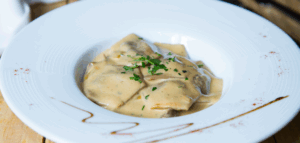
In addition, El Mirón’s acidity cleanses the palate after every bite, making the dish feel much lighter.
What DOESN’T work
The sweetness and excess fat cause the wine to lose its freshness and balance completely.
Adaro isn’t a wine that tries to dominate.
It has complexity and many layers, so it needs dishes that complement it without overpowering it.
The delicacy of the squab allows the wine to evolve in the glass. The black truffle highlights its mineral and spicy notes, while the parsnip purée adds a smooth texture that rounds out the pairing beautifully.
It’s a refined, gastronomic, and perfectly balanced pairing.
What DOESN’T work
Aggressive flavors completely overpower the wine’s subtle nuances.
Pradorey Finca La Mina has structure, ripe black fruit, spice, and elegant oak ageing that calls for slow-cooked dishes with plenty of flavor and a touch of juiciness.
The richness of the lamb softens the wine’s tannins, making it feel much silkier. The rosemary and red wine reduction enhance its balsamic and spicy character, while the roasted flavors from the oven perfectly complement the oak ageing.
It’s one of those pairings where the wine feels as though it was made for the dish.
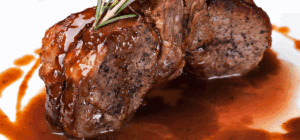
The acidity and lightness of these dishes make the wine taste harsher and less elegant.
The best pairings aren’t usually the most complicated—they’re the most balanced.
A fresh red wine needs dishes that don’t hide its acidity. A structured red wine calls for texture, richness, and depth. And the most elegant red wines shine brightest when the dish complements rather than dominates them.
That’s why the pairings that truly work usually have one thing in common:
When food and wine move in the same direction, both are transformed. The dish gains new layers of flavor, the red wine becomes more expressive, and the experience goes far beyond simply eating and drinking.
Because sometimes the best red wine doesn’t change in the glass—it changes with the dish served alongside it. Now there’s only one thing left to do: open the bottle, choose the right dish, and discover which pairing works best for you.
¿Te ha gustado este artículo?